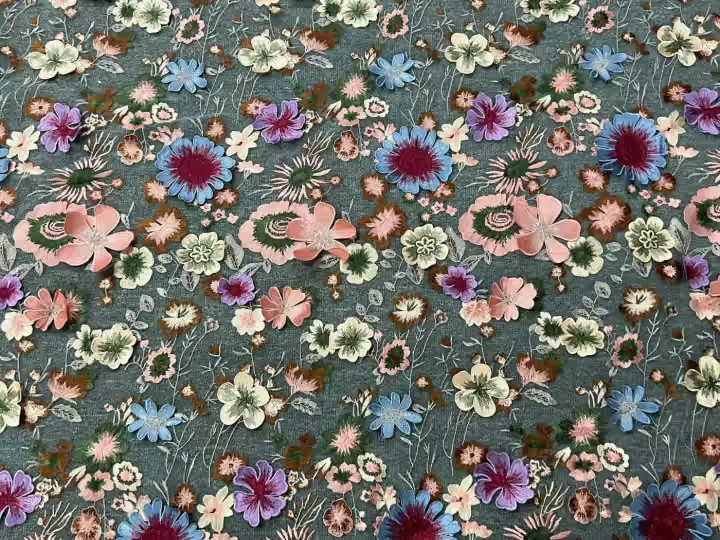
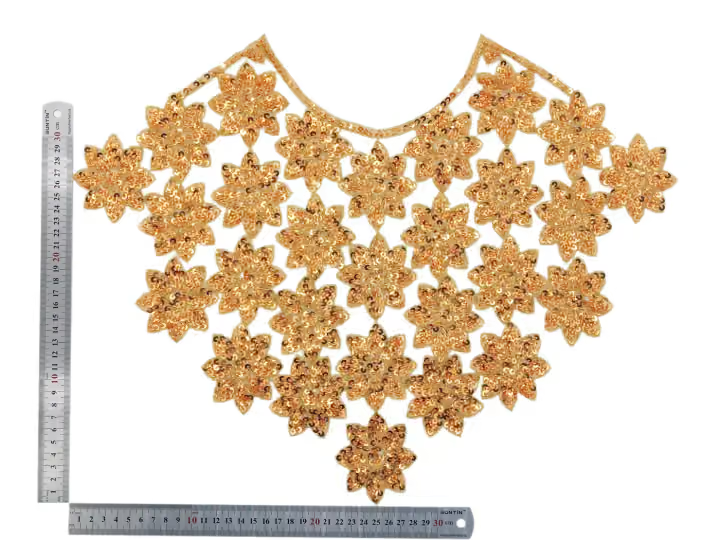
Give every sample an identity
Link a local sample number to the supplier reference, colour description and date received. Keep customer inspiration images distinct from physical samples. If two swatches look alike, retain both identities until their relationship is confirmed rather than merging them from appearance alone.
Use explicit status terms
Record received, under review, approved for a named purpose, rejected or superseded. Add the responsible person and supporting evidence. An approval for colour does not automatically approve usable width, seam construction or current supply availability; these can remain separate open items.
Explore the productsKeep a valid reference accessible
Store the agreed reference in a way that preserves its label and relationship to the record. Keep trial-treated pieces identified separately from untouched references. Do not replace the approved sample silently when a newer delivery or an alternative arrives.
Review before the order
Check that the sample cited in the order is the current approved version for that exact use. Resolve superseded or conditional entries with the maker and supplier. Retain the history so a later repeat order can distinguish what was accepted from what was merely considered.
A practical comparison
| Field | Record | Why it matters |
|---|---|---|
| Identity | Local number and supplier reference | Links the physical sample |
| Status | Named decision and responsible person | Shows what is approved |
| Scope | Colour, construction or specific use | Prevents overextended approval |
Your buying checklist
- Identify every sample
- Keep status and scope separate
- Retain an untouched reference
- Check the current version before ordering
Discuss your fabric requirements with Rose
Save references, note quantities and send your questions. Confirm specifications and availability for the exact items you need.