Give each question one subject
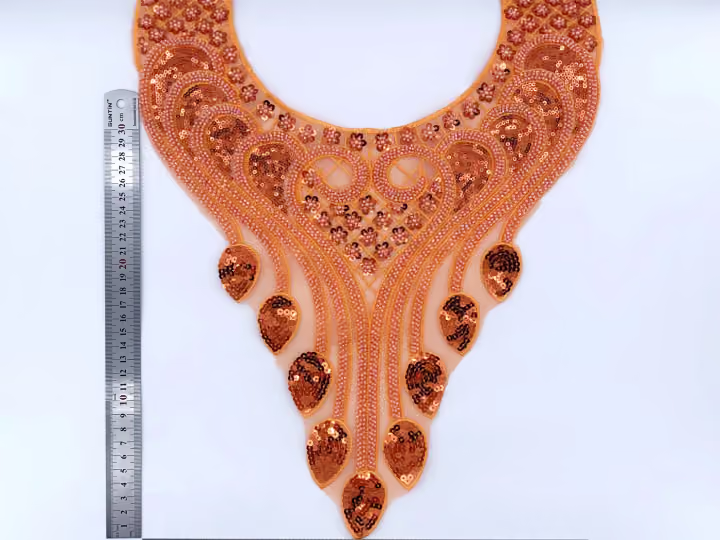
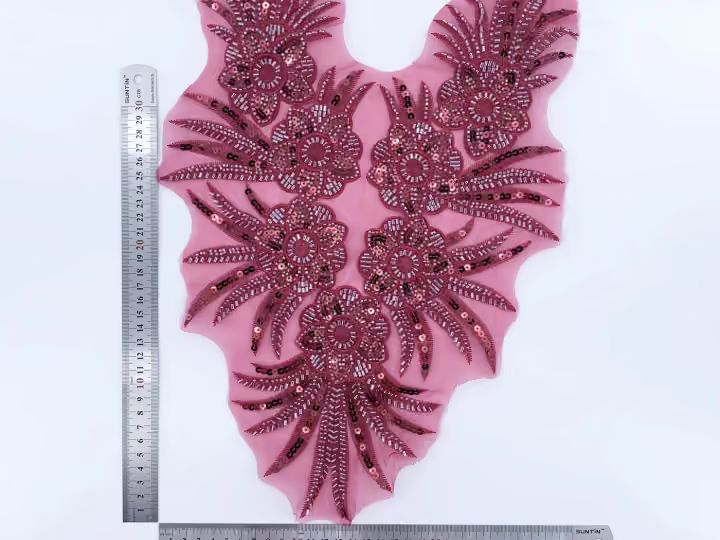
Create a row for the product reference and one unresolved fact, such as usable width or a specific colour option. Avoid combining several products in a vague question about this fabric. Use a labelled image when needed and keep the original reference unchanged across translated messages.
Separate answers from assumptions
Record the supplier's answer, its date and the supporting image or document. Mark statements from the buyer's own interpretation separately. If the answer covers only a photographed sample, do not silently extend it to a future batch, every colour or an entire product category.
Explore the productsAssign the next decision
Some questions need Rose's confirmation; others require the maker's cutting or fit assessment. Name the responsible role and what evidence would close the question. This avoids sending a tailoring judgment back as a repeated stock enquiry or treating an unanswered specification as accepted.
Close the order version
Before confirming, filter the log for unresolved items that affect quantity, construction or acceptance. Resolve those items or record a clearly agreed condition. Keep the final log version with the order sheet, and reopen the relevant row if a product, colour or cut arrangement changes later.
A practical comparison
| Field | Example subject | Completion evidence |
|---|---|---|
| Product reference | One specific material | Labelled reference image |
| Open question | Usable decorated width | Dated answer with measurement |
| Decision owner | Buyer, supplier or maker | Recorded decision and version |
Your buying checklist
- Use one question per row
- Keep answers with evidence
- Name the decision owner
- Review unresolved items before confirmation
Discuss your fabric requirements with Rose
Save references, note quantities and send your questions. Confirm specifications and availability for the exact items you need.