Reconcile the order lines
List each confirmed reference, colour description, sale unit and quantity. On receipt, give each package or cut a local record number and connect it to the relevant order line. Preserve labels and packaging evidence where useful. Keep unidentified material separate from already matched items until its identity is clarified.
Measure and inspect methodically
Use an agreed measurement method and record the unit, condition and result. Review appearance against the approved sample under comparable viewing conditions. Start with a practical documented check, then expand inspection when a discrepancy requires it. A small spot check does not justify claiming that every metre was inspected.
Explore the productsDescribe differences precisely
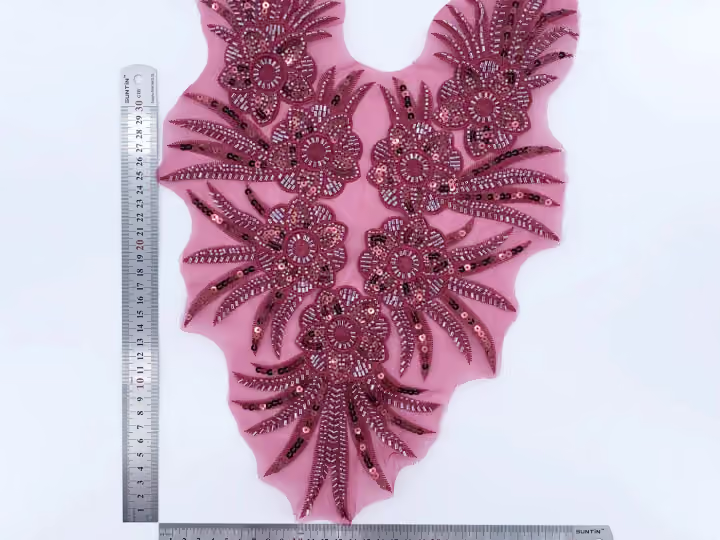
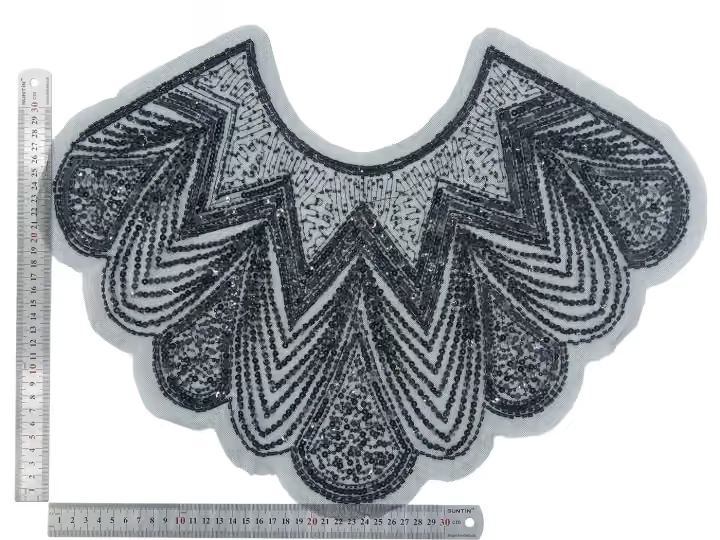
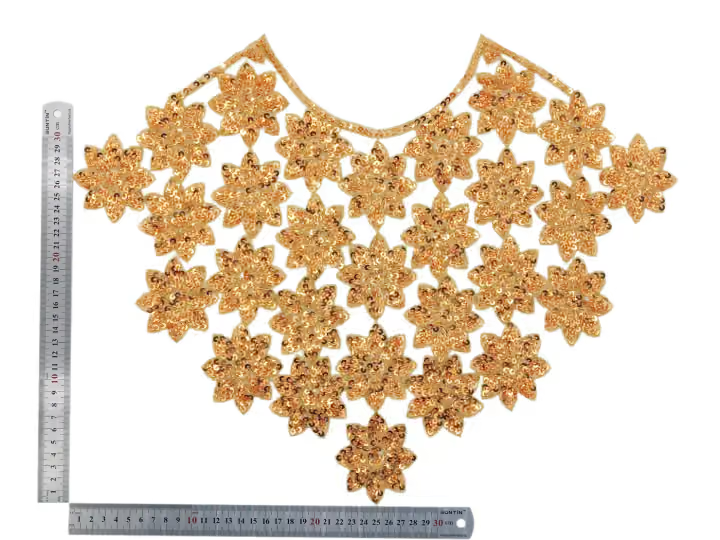
Record where an issue occurs, its visible extent and the affected reference, supported by an overview and close-up with scale. Distinguish a count mismatch, shade question and construction concern. Avoid describing the entire delivery as wrong when the evidence concerns one unidentified cut or one local area.
Resolve before irreversible use
Contact the supplier with the concise record and ask for the next step under the agreed order conditions before cutting affected material. Do not promise a particular remedy or deadline that has not been agreed. Record the response, decision and person approving release to the workshop.
A practical comparison
| Stage | Record | Decision |
|---|---|---|
| Identity | Order line and received label | Matched or awaiting clarification |
| Quantity | Unit, method and measured result | Agrees or requires review |
| Appearance | Reference sample and located images | Release or hold affected material |
Your buying checklist
- Prepare the confirmed order sheet
- Identify each received cut
- Document the inspection scope
- Resolve differences before cutting
Discuss your fabric requirements with Rose
Save references, note quantities and send your questions. Confirm specifications and availability for the exact items you need.