Choose and label the reference
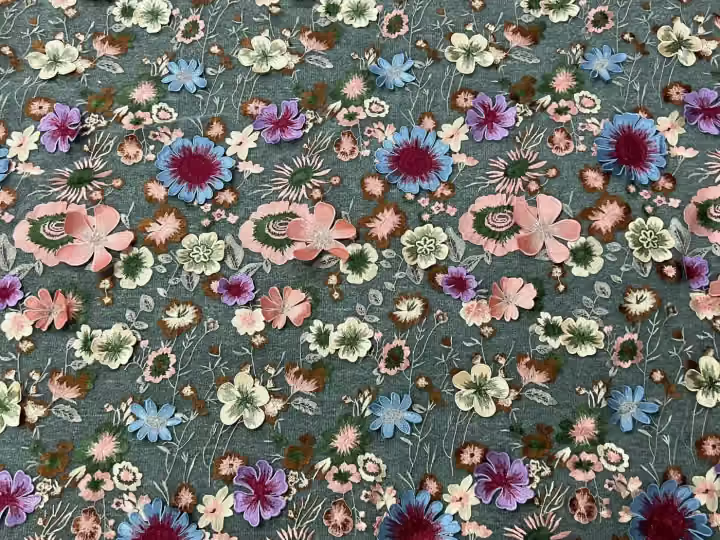
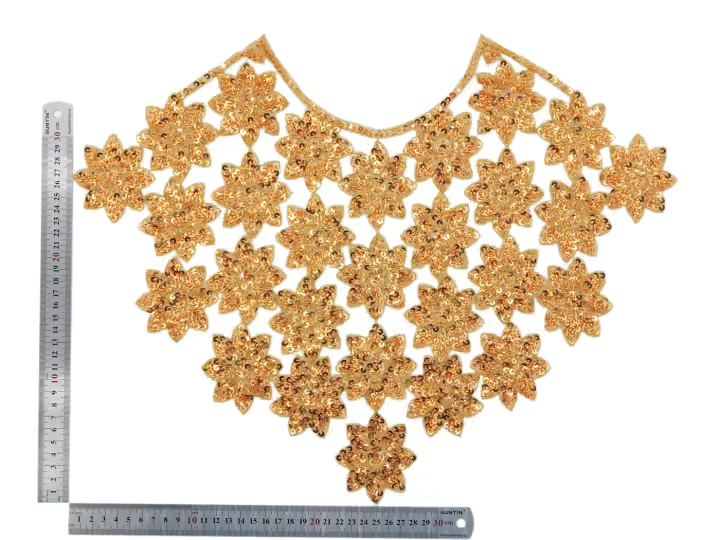
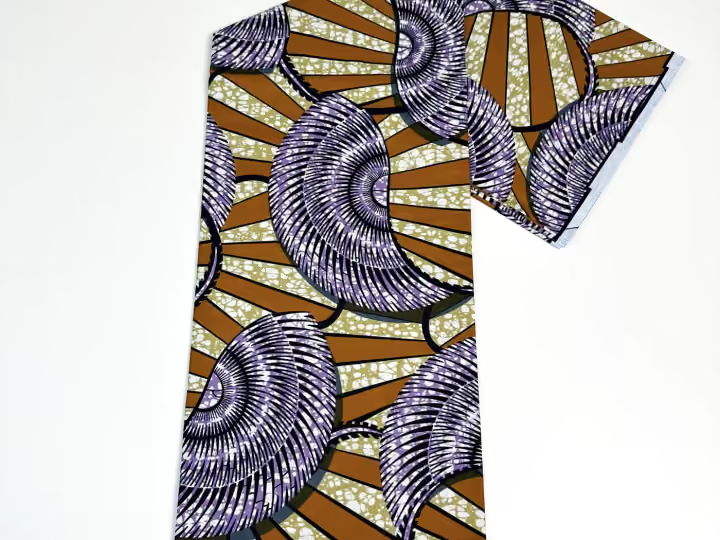
Identify the sample or other agreed comparison reference and give it a clear name in the conversation. Record the fabric code and variant it belongs to. If several images were considered, mark the selected one so an earlier alternative cannot be mistaken for the approved direction.
Compare under consistent lighting
View candidates together under the same conditions and with the intended underlayer. Screens, camera settings and light can affect appearance, so a photograph should be used with its limits understood. When the match is critical, discuss a suitable physical comparison rather than assuming two separately photographed items are identical.
Explore the productsDescribe differences instead of saying “wrong colour”
Point to the reference and describe the observed difference, such as appearing warmer, darker or more reflective under the stated conditions. Ask how it can be checked. Avoid creating a numerical tolerance from visual judgement alone; any formal acceptance criterion must be agreed for the actual requirement.
Keep approval tied to the selected supply
Record the decision, date, reference and remaining conditions. If a different variant or later supply is proposed, reconfirm how matching will be reviewed. One previous approval does not establish an unchanged shade for every future order, and a colour conversation does not by itself confirm availability or order acceptance.
A practical comparison
| Field | What to save |
|---|---|
| Identity | Code, variant and reference label |
| Conditions | Lighting and underlayer |
| Decision | Accepted points and open questions |
| Follow-up | What must be compared again |
Your buying checklist
- Use one labelled reference.
- Keep comparison conditions consistent.
- Describe observed differences.
- Reconfirm changes or later supply.
Discuss your fabric requirements with Rose
Save references, note quantities and send your questions. Confirm specifications and availability for the exact items you need.