Identify each usable shape
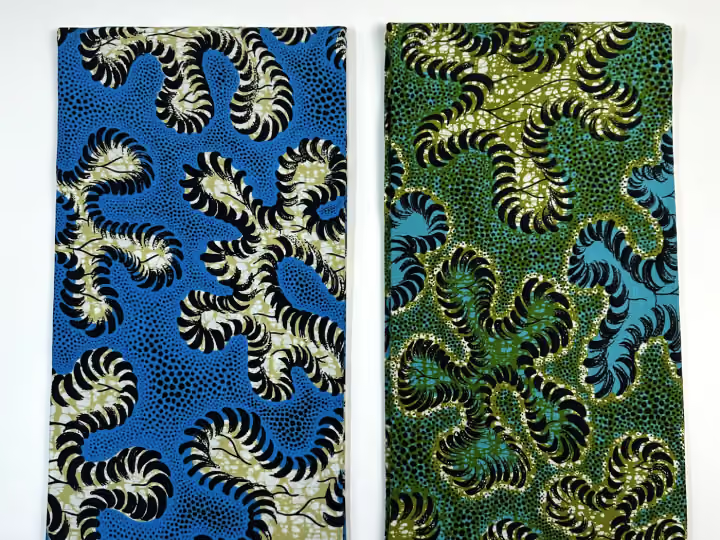
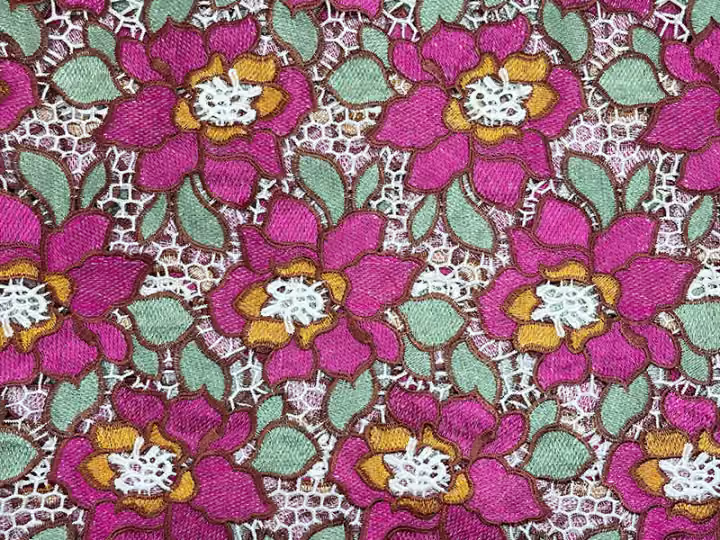
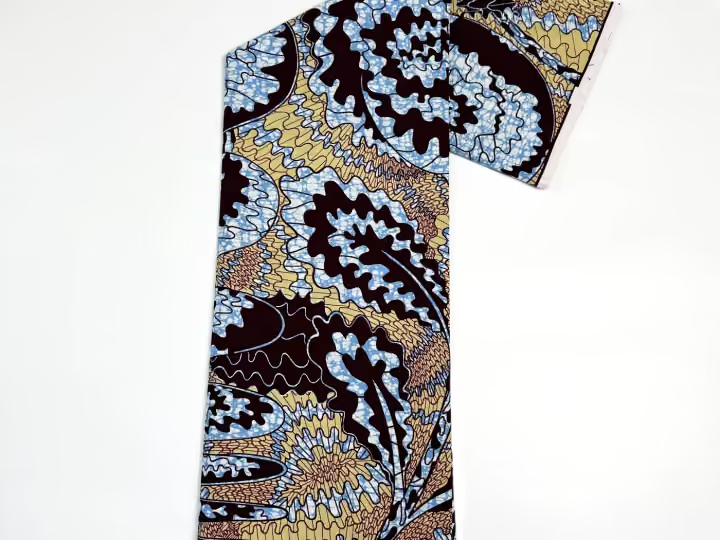
Give each retained offcut a local number linked to its original product and colour reference. Measure the usable outline and note missing corners or cut-outs. A bounding rectangle can overstate the continuous area available. Keep separate remnants separate rather than adding their lengths into one imaginary strip.
Match to a named component
Place the actual pocket, facing or small panel template over the remnant. Include allowances and approved motif direction. A piece that fits by outline may still fail the visible matching requirement. Let the maker approve the specific use rather than labelling every leftover as enough for a pocket.
Explore the productsSeparate planned and unassigned material
Reserve a remnant for one component only after the layout is checked. Mark the record when it is used. Keep unassigned remnants outside the calculation of confirmed garment output so the same offcut is not counted twice across two proposed orders.
Use the record for learning
Compare planned use with what the workshop actually achieved. Keep the result as a local observation for that pattern and size mix. Do not turn one successful allocation into a universal yield claim or reduce the next purchase quantity until the new layout has been checked.
A practical comparison
| Field | Record | Decision |
|---|---|---|
| Identity | Original reference and remnant number | Keep materials traceable |
| Usable shape | Outline, dimensions and interruptions | Does the template fit? |
| Allocation | Named component and status | Reserved, used or unassigned |
Your buying checklist
- Label remnants by original reference
- Measure the usable shape
- Check the real component template
- Prevent double allocation
Discuss your fabric requirements with Rose
Save references, note quantities and send your questions. Confirm specifications and availability for the exact items you need.