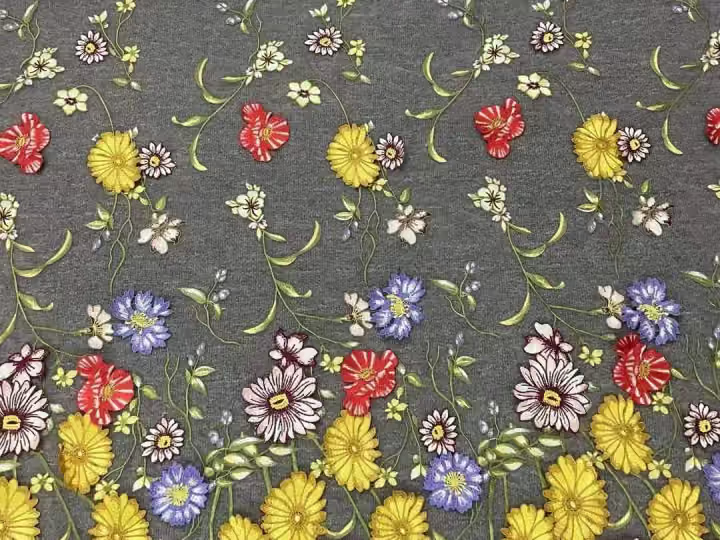
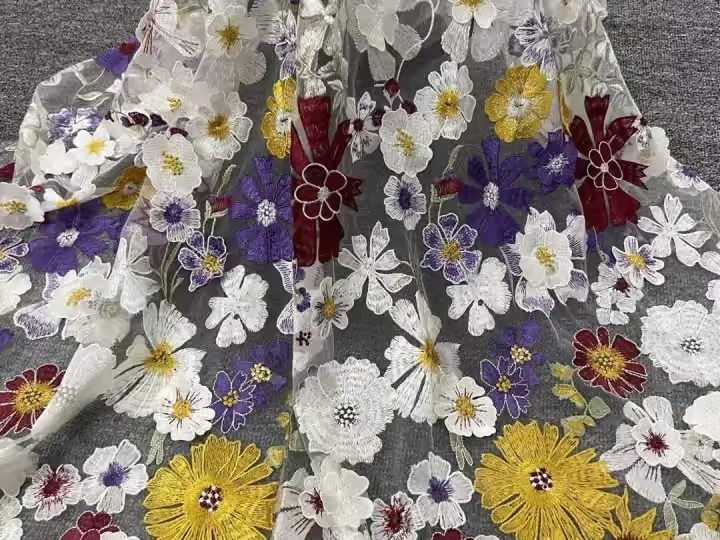
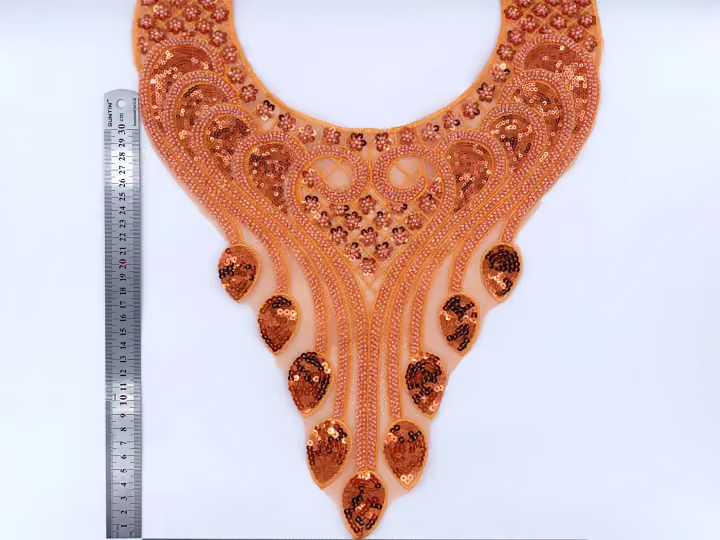
Describe the intended sleeve
Provide the actual sleeve shape, size and lining plan. Mark areas with concentrated decoration and important joins. A loose display sleeve does not represent a close-fitting garment. Ask the maker which sample will reasonably represent the intended construction before deciding how much material the trial needs.
Observe normal movement
On a suitable form or consenting wearer, review ordinary arm movements relevant to the garment. Do not force the fabric or ask the wearer to push through discomfort. Record where pulling, twisting or edge lifting appears, together with an overall view showing how the garment is sitting.
Explore the productsKeep cause and observation separate
A visible pull may involve pattern fit, layers or construction as well as the selected material. Describe what happens rather than declaring one cause from a video. Let the maker propose the next check and label any revised trial so the comparison remains meaningful.
Approve the actual version
Keep the accepted sleeve sample, material references and maker's notes together. Record any unresolved point before bulk cutting. Recheck when lining, sleeve size or decoration placement changes; a successful trial of one combination does not cover every later garment variation.
A practical comparison
| Stage | Record | Decision |
|---|---|---|
| Sample brief | Sleeve, size, layers and reference | Representative construction? |
| Observation | Normal movement and located detail | What needs review? |
| Revision | Change made and sample version | Accept or trial again |
Your buying checklist
- Define the real sleeve construction
- Observe ordinary movement only
- Record symptoms without guessing causes
- Keep the approved assembly version
View the dated embroidery warehouse gallery
Discuss your fabric requirements with Rose
Save references, note quantities and send your questions. Confirm specifications and availability for the exact items you need.