Mark the working route
Show the fastening path, opening direction and intended trim edge on the pattern. Include the area used by a hand or moving pull. Ask the maker which spaces need to remain clear for this construction instead of specifying one universal gap for all fasteners.
Use the intended components
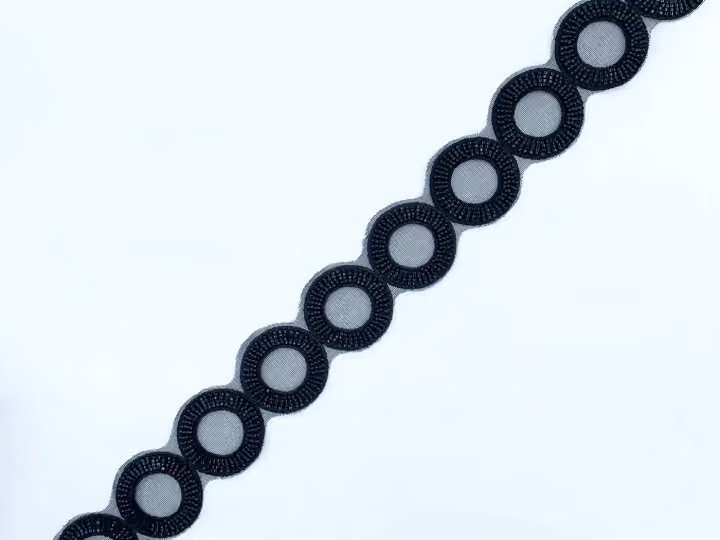
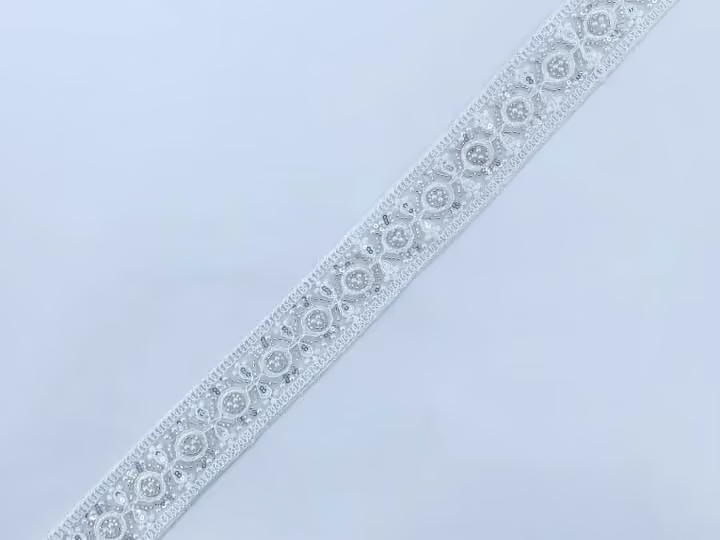
Trial the actual trim with the planned fastening and garment layers. A plain substitute strip may miss the raised or loose details that matter. Confirm which components are included in the purchase and which the workshop must source independently.
Explore the productsCheck ordinary operation
Ask the maker to open and close the sample normally, without forcing it through the decoration. Observe any interference, covering or displacement and photograph its location. A successful static closed view does not establish that the opening functions as intended.
Approve the complete position
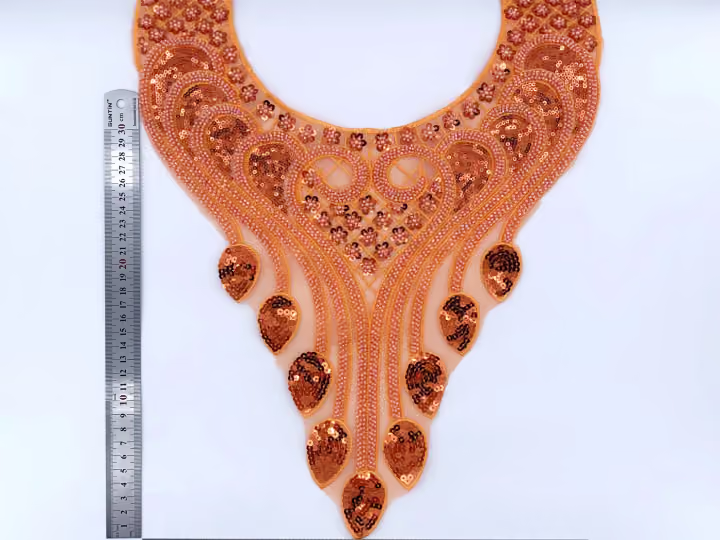
Record the accepted placement with stable pattern references and an open-and-closed sample view. If trim width, fastening type or garment size changes, repeat the relevant check. Do not approve bulk application from the ornament photograph alone.
A practical comparison
| Reference | Check | Decision |
|---|---|---|
| Pattern | Working route and trim edge | Areas requiring clearance |
| Assembly | Actual trim, layers and fastening | Representative sample |
| Operation | Normal opening and closing | Approve or reposition |
Your buying checklist
- Mark the fastening route
- Use the real decorative trim
- Test ordinary operation
- Keep the approved open and closed views
Discuss your fabric requirements with Rose
Save references, note quantities and send your questions. Confirm specifications and availability for the exact items you need.