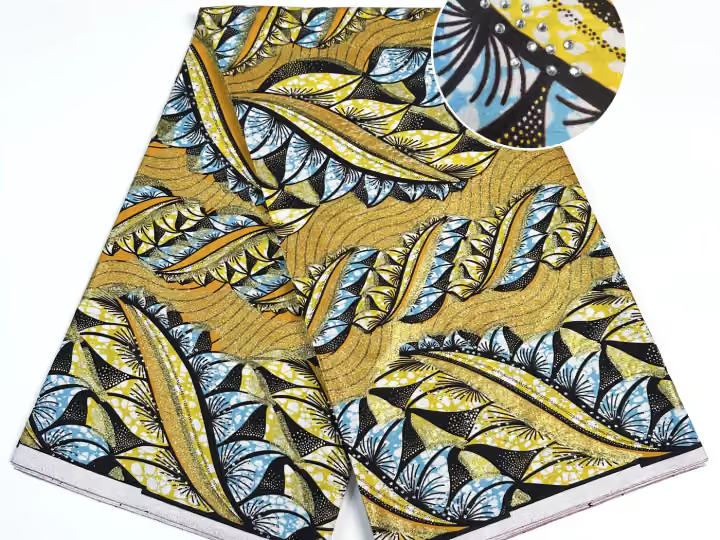
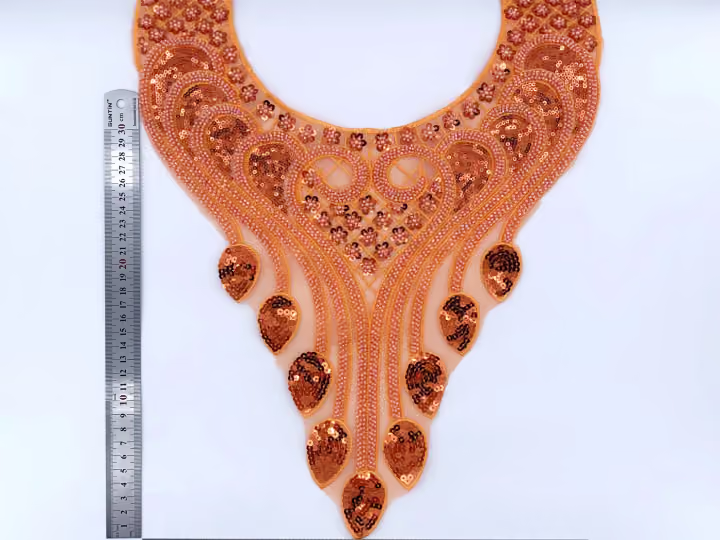
Define the role of each selection
Separate familiar repeat requests from new designs you want to test. For each item, record the intended garment, customer group and reason for including it. A buyer serving a specific event brief may need a coordinated palette; a general fabric shop may prefer a broader range. Neither approach establishes demand without feedback from the customers you actually serve.
Separate design, colour and photograph
Use one row for each design and colour you are considering. Keep the product code and link with that row. A gallery may contain several angles or colour variants of the same item, so do not count photographs as separate designs. Where a colour choice is unclear, identify the gallery image and ask Rose to confirm which option can currently be supplied.
Explore the productsAllocate quantities with clear units
Set quantities against each reference rather than giving only a total budget or total length. For the confirmed wax range, count 6-yard pieces; for other categories, first confirm the selling unit and minimum. You can propose a trial assortment, but mixing references or colours to reach a minimum must be agreed rather than assumed.
Record feedback before the next purchase
After a trial, note which references attracted enquiries, which were selected and what customers wanted changed. Separate interest from completed sales. Keep the approved reference and colour information for follow-up, then reconfirm availability and terms. This gives the next assortment a practical basis without promising that a design or colour will remain available indefinitely.
Your buying checklist
- Give each selection a customer or garment purpose.
- Track design codes and colours separately.
- Allocate trial quantities by confirmed unit.
- Use actual feedback to prepare the next shortlist.
Discuss your fabric requirements with Rose
Save references, note quantities and send your questions. Confirm specifications and availability for the exact items you need.