Keep the views paired
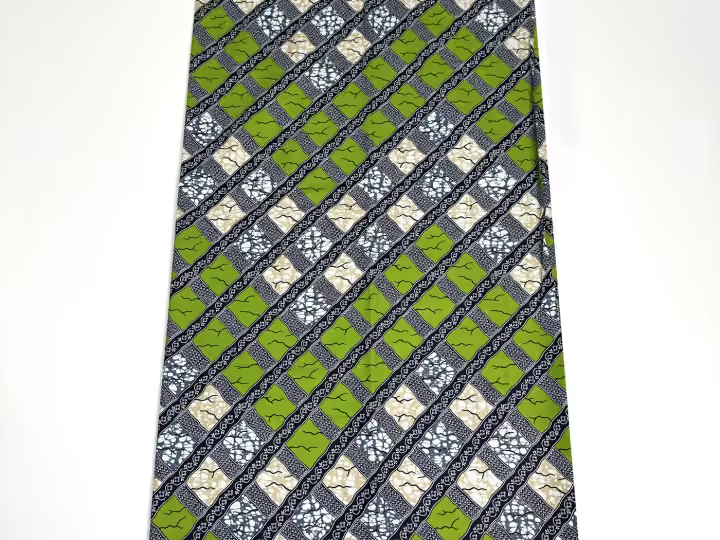
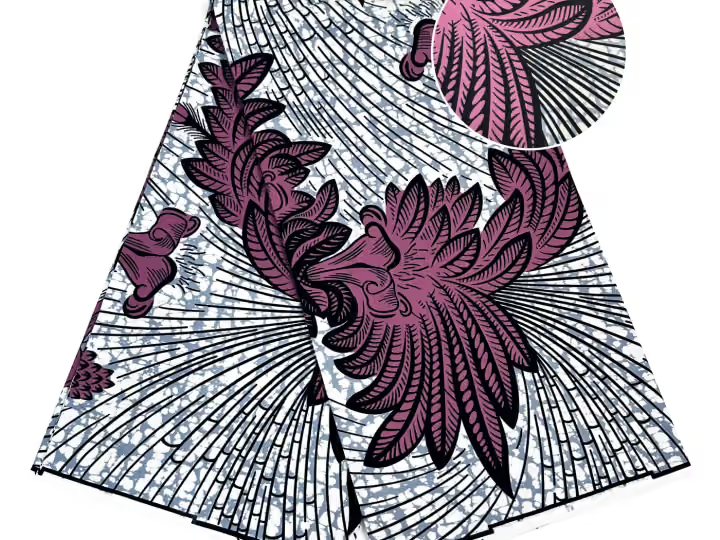
Photograph the same area from each side, with a separate card identifying the reference and side. Keep scale, lighting and camera settings comparable. Two unrelated crops can make a difference in the motif look like a difference between faces. Retain the physical sample as the stronger colour reference.
Mark exposed reverse areas
List turned cuffs, open jackets, ties and other parts where the reverse may show. Ask the maker to place the sample in the intended construction. A reverse acceptable inside a closed garment may not suit a deliberately exposed fold. Approve the visible areas individually rather than giving an unrestricted reversible instruction.
Explore the productsCheck the actual combination
Review both sides alongside the intended lining or contrasting fabric. Confirm composition and care information separately; visual similarity does not establish identical performance. Our confirmed wax sales specifications do not by themselves guarantee that both faces are interchangeable in every garment.
Record one usable instruction
Save the chosen face, permitted exposed reverse areas and sample reference with the cutting file. If another colour or design is selected, repeat the comparison. For a repeat purchase, ask about the current material rather than treating an older photograph as approval of every later supply.
A practical comparison
| Area | Evidence | Decision |
|---|---|---|
| Main garment | Paired views of one sample area | Chosen visible face |
| Turned cuff | Actual folded sample | Reverse exposure accepted? |
| Open edge | Planned lining combination | Approved construction |
Your buying checklist
- Identify both sample sides
- Compare the same motif area
- List exposed reverse sections
- Keep the approved face instruction
Discuss your fabric requirements with Rose
Save references, note quantities and send your questions. Confirm specifications and availability for the exact items you need.