Keep names as search clues
Record the customer's wording without assuming it identifies one universal product. Ask what features matter: a particular flower arrangement, line pattern or colour relationship. Do not assign a cultural story, brand identity or production origin to our catalogue designs from resemblance alone.
Build a visual identity card
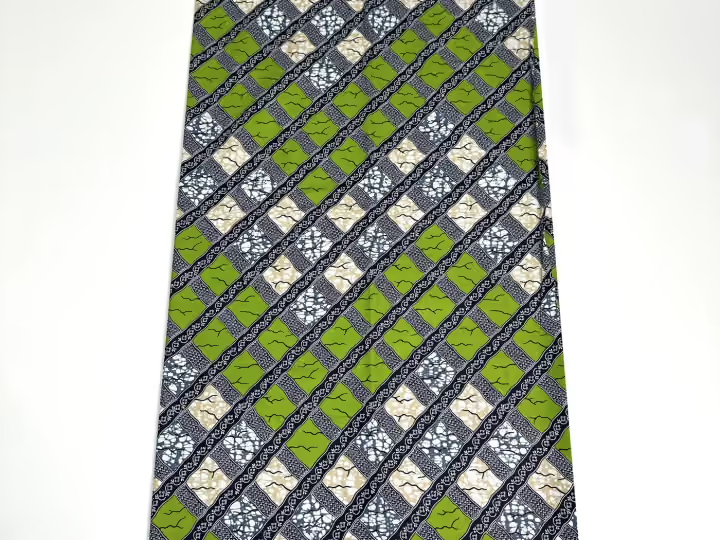
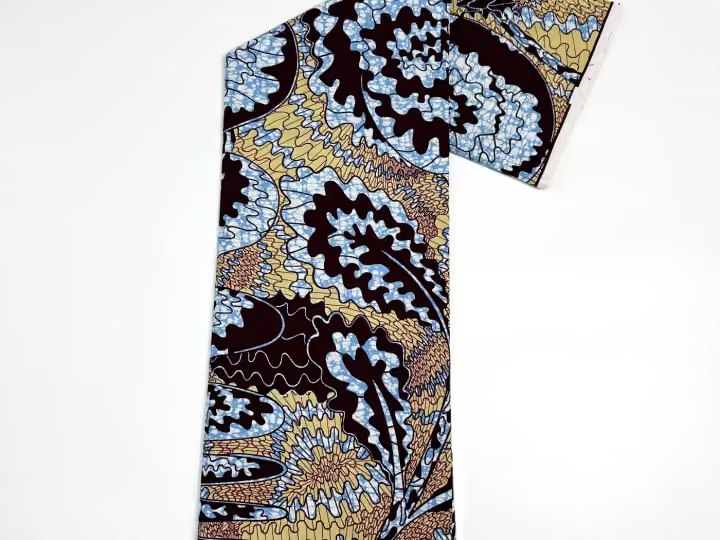
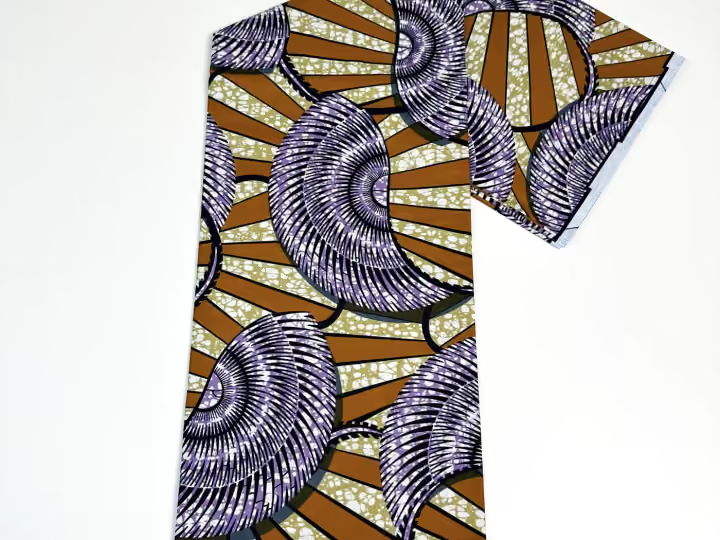
Combine the catalogue reference, full motif view and one distinctive detail on a single record. Label a customer reference separately from the proposed catalogue option. This prevents a visually similar suggestion from being mistaken for confirmation that the exact pictured material has been found.
Explore the productsCompare before accepting an option
Review scale, direction and colour against the original request. Mark each accepted difference, and leave uncertain specifications open. The same informal name or colour phrase does not establish matching dimensions, composition or available stock. Ask Rose about the particular reference under consideration.
Preserve identity across messages
Carry the product number unchanged into the shortlist, translated enquiry and final order sheet. When a design is replaced, give it its own row and approval. Keep the original image for comparison rather than overwriting the request with the latest proposed alternative.
A practical comparison
| Element | Use | Boundary |
|---|---|---|
| Customer name | Search and conversation clue | Not sole order identity |
| Reference image | Features the buyer wants | May differ from the offered option |
| Catalogue number | Exact option being discussed | Confirm colour and specifications too |
Your buying checklist
- Keep the customer's original wording
- Add a complete design image
- Label proposed alternatives separately
- Preserve product numbers across languages
Discuss your fabric requirements with Rose
Save references, note quantities and send your questions. Confirm specifications and availability for the exact items you need.