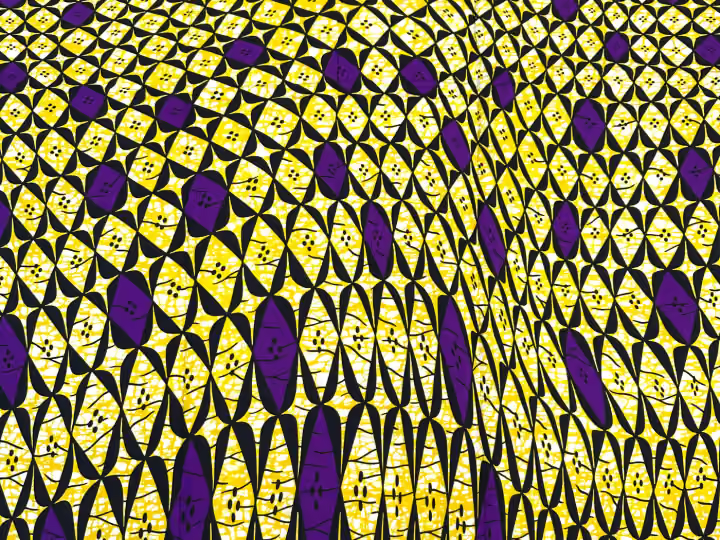
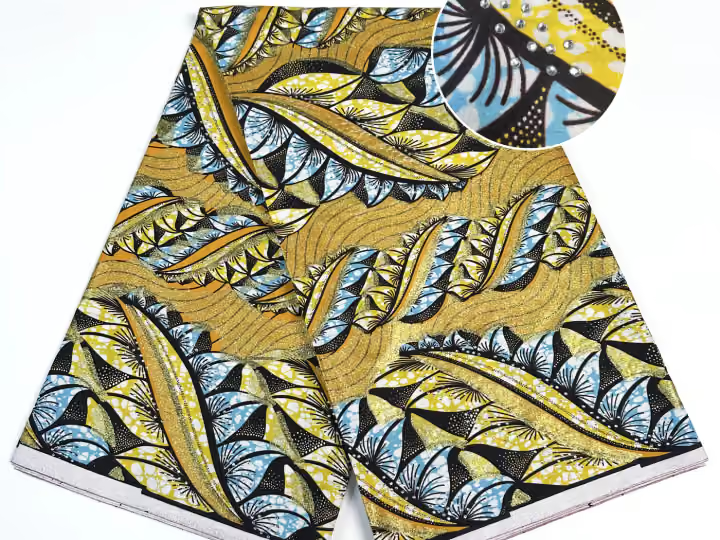
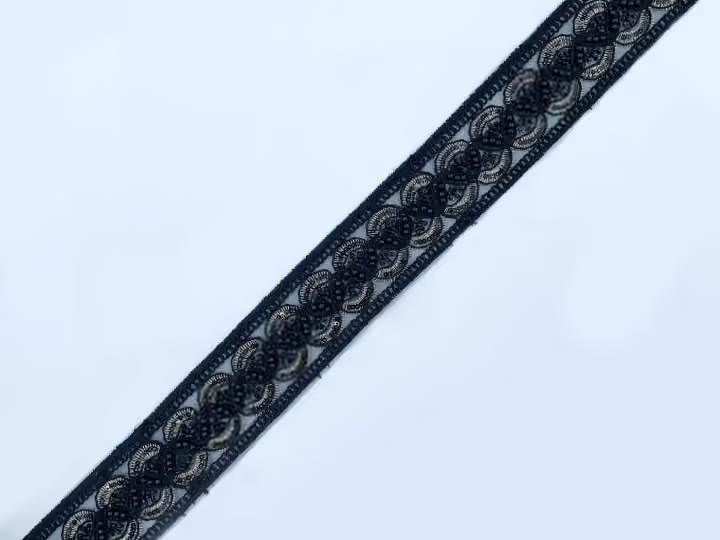
Assign a role to each print
Mark which print forms the main body and which appears at a cuff, pocket or panel. A small contrast strip and half a dress create different visual relationships. Keep both product references on the sketch so a general colour description cannot substitute for the chosen designs.
Compare the real proportions
Arrange samples at the intended scale rather than using equal-size swatches automatically. Include the seam or fold that separates them. Review motif size, direction and visible colour together. A pairing that looks balanced in two small squares may feel crowded when a large garment panel is added.
Explore the productsAsk about combined construction
Let the maker assess the join, lining and proposed care for the actual materials. Shared cotton composition does not answer every finishing question. If treatment or dimensional change matters, request applicable guidance and a suitable sample trial rather than assuming two prints will behave identically.
Confirm two order lines
Record quantities and approved colour references separately. State whether the garment can proceed if only one selection is confirmed; do not allow an unspecified replacement to inherit approval. Revisit the pair if either design, proportion or construction changes before bulk cutting.
A practical comparison
| Field | Main print | Companion print |
|---|---|---|
| Identity | Exact reference and colour | Exact reference and colour |
| Role | Main garment panels | Named contrast areas |
| Approval | Combined sample version | Same combined sample version |
Your buying checklist
- Give each print a garment role
- Compare the intended proportions
- Review the actual joined materials
- Confirm both order lines separately
Discuss your fabric requirements with Rose
Save references, note quantities and send your questions. Confirm specifications and availability for the exact items you need.