Define what must match across the group
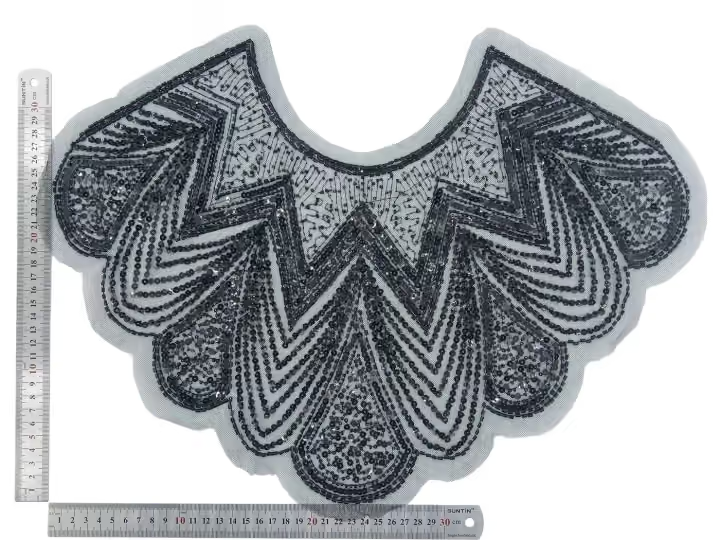
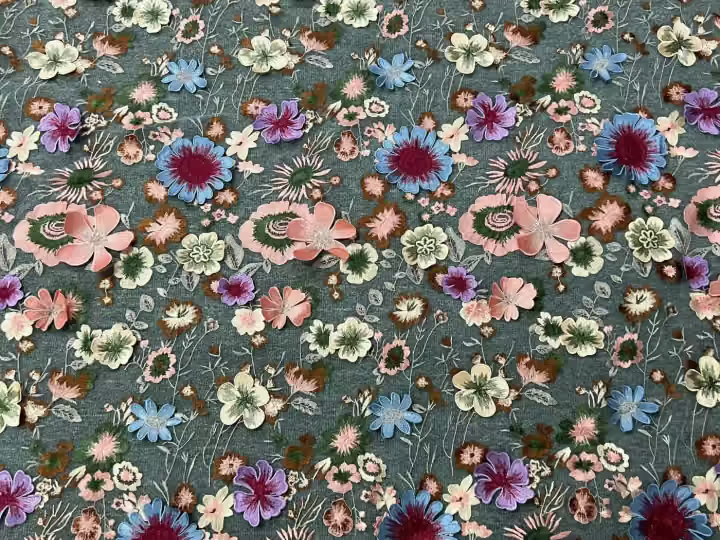
Decide whether the requirement is the same fabric, a shared colour family or a coordinated overall appearance. These are different briefs. A wax print, embroidered panel and decorative trim may be intended to complement one another without being identical in colour or surface. Write the intended relationship down.
Choose a single approval reference
Use an agreed sample or another reference acceptable to the buyers and maker. Label it clearly and avoid circulating several edited screenshots as if they were interchangeable. When a close shade match is essential, discuss how it will be reviewed rather than relying on the colour shown by different phones.
Explore the productsReview the combination by garment role
Place candidate main fabric, lining and decoration together. Ask whether each works in its actual location, including seams and the neckline. A decorative accent can have a different visual role from the main fabric, so one isolated close-up should not decide the whole group combination.
Separate approval from quantity allocation
Once the combination is accepted, list each reference, colour and quantity with its unit. Identify who approves any proposed substitution. Reconfirm availability and any requested timing with Rose; an event date is a requirement to discuss, not a confirmed delivery commitment or evidence that all options can be supplied.
A practical comparison
| Decision | Owner to identify |
|---|---|
| Shared colour reference | Who approves the palette? |
| Garment combination | Who checks fabric and construction? |
| Alternative proposal | Who accepts a substitution? |
Your buying checklist
- Define identical versus coordinated.
- Use one approval reference.
- Review the full combination.
- Name the substitution decision-maker.
Discuss your fabric requirements with Rose
Save references, note quantities and send your questions. Confirm specifications and availability for the exact items you need.