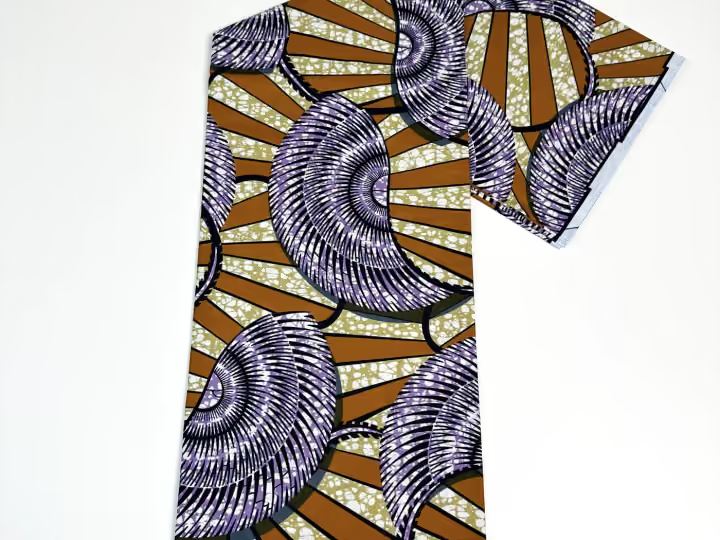
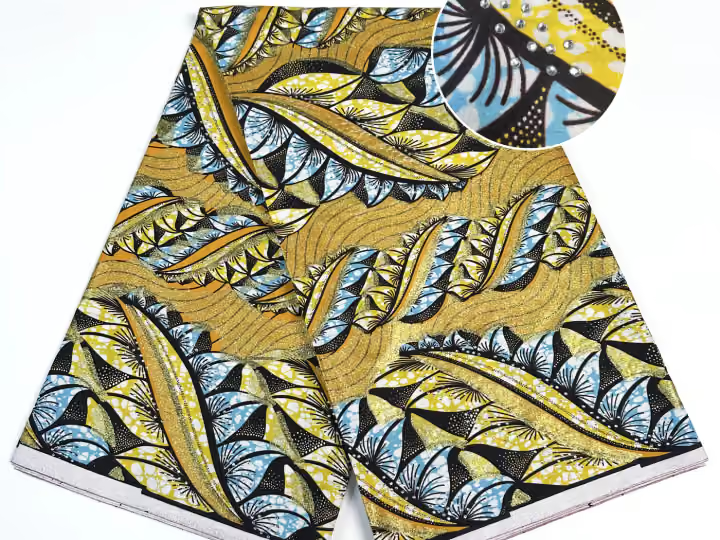
Choose the question before collecting results
For each reference, state what you are testing: colour preference, garment suitability or interest in a new decorative style. Avoid changing several assumptions without noting them. If items are shown to different customers or in different ways, record that context rather than treating every response as directly comparable.
Track a few distinct actions
Use separate columns for an enquiry, a selected option and a completed sale. Add a brief note explaining why a customer declined or requested an alternative. Do not invent missing numbers or interpret a casual compliment as a purchase. A small honest record is more useful than a precise-looking total with unclear meaning.
Explore the productsReview objections as well as popular choices
Questions about width, colour, motif size or garment use can reveal a gap in the buying brief. Record the exact point without adding personal details you do not need. The next step may be better specification information or a different sample, rather than simply increasing the quantity of a design.
Prepare a justified follow-up shortlist
Keep references that answered the trial question and explain what you want to change. Reconfirm availability and terms for the new purchase. This record is a planning aid for your business; it does not predict sales or establish a guaranteed return from a particular colour or assortment.
A practical comparison
| Record | Meaning |
|---|---|
| Enquiry | A customer asked about the reference |
| Selection | A customer chose it for consideration |
| Completed sale | The purchase was actually completed |
| Feedback | A reason or requested change |
Your buying checklist
- Define the trial question.
- Separate interest from sales.
- Record useful objections.
- Use evidence in the next enquiry.
Discuss your fabric requirements with Rose
Save references, note quantities and send your questions. Confirm specifications and availability for the exact items you need.